Würzburg Wine Region: Vineyards and Tastings – A Taste of Franconia’s Finest
Würzburg is not just a city of Baroque palaces and medieval fortresses; it is the beating heart of the Franconian wine region, famed globally for its dry white wines and the unique, flask-shaped bottle known as the Bocksbeutel.
For over a millennium, wine has defined the landscape, the culture, and the economy here. From the steepest slopes overlooking the Main River to the historic, charity-run wine estates located right in the city center, Würzburg offers a seamless blend of world-class viticulture and urban exploration. This guide will lead you through the classic varietals, the historic cellars, and the essential vineyard experiences that make this region a must-visit for any wine enthusiast.
The Signature of Franconia: Grape Varieties & the Bocksbeutel
Franconian wine, or Frankenwein, is primarily white, dry, and distinctly mineral-driven, largely thanks to the unique shell-limestone (Muschelkalk) soil of the region.
The Key Players:
- Silvaner (Sylvaner): The undisputed flagship grape. It produces full-bodied, earthy, and elegant wines with flavors that beautifully echo the local terroir. This is the essential Franconian wine to try.
- Müller-Thurgau: A lighter, often fruitier and more approachable white wine, popular for immediate drinking.
- Bacchus: Known for its highly aromatic, flowery, and muscat-like notes, offering a pleasant contrast to the drier Silvaner.
- Red Wines: While white dominates, red varietals like Domina and Spätburgunder (Pinot Noir) are gaining prominence, often found in the surrounding valley towns.
The Iconic Bottle:
The Bocksbeutel is the symbol of Franconian quality. This distinctive, flattened, flask-shaped bottle is legally restricted to holding only the region’s best dry wines, ensuring that if you see the shape, you are guaranteed a taste of authentic, high-quality Frankenwein.
Opens in a new window www.wirsching.de
Essential Würzburg Winery Tours (The Big Three)
Würzburg is home to three of Germany’s most historic and prestigious wineries, all easily accessible within the city center.
Founded in 1576 as a charitable hospital by Prince-Bishop Julius Echter, this estate is Germany’s second-largest vineyard owner. Touring the vast, historic cellars here is a highlight, offering a fascinating look at the marriage of philanthropy and viticulture.
- Experience: Book a guided tour of the stunning, kilometer-long vaulted cellar and a subsequent wine tasting (Weinprobe).
- Location: Central, adjacent to the historic hospital building.
As the “State Court Cellar,” this winery has royal heritage, operating beneath the UNESCO World Heritage Würzburg Residence. Its history dates back to 1128, making it one of the oldest wineries in the world.
- Experience: The tasting rooms and cellars are literally under the Residence palace, offering a unique opportunity to combine your cultural tour with a wine tasting experience.
- Location: Directly beneath the Würzburg Residence.
The Ultimate Wine Experience: Vineyard Walks
To truly appreciate the terroir, you must walk the vineyards. The city is surrounded by slopes, most notably the Würzburger Stein.
The Würzburger Stein: Franconia’s Grand Vineyard
This world-famous single vineyard, sloping steeply toward the Main River, is one of the most important vineyards in Germany. It’s where some of the finest Silvaner in the world is produced.
- The Stein Wine Trail (Stein-Wein-Pfad): An official, well-marked trail runs through the vineyard, offering information boards about the grapes, soil, and history. It’s an easy walk with rewarding views. Opens in a new window www.pond5.com
- Getting There: The vineyard is on the north edge of the city, easily reachable by foot or a short taxi ride.
The Alte Mainbrücke (Old Main Bridge)
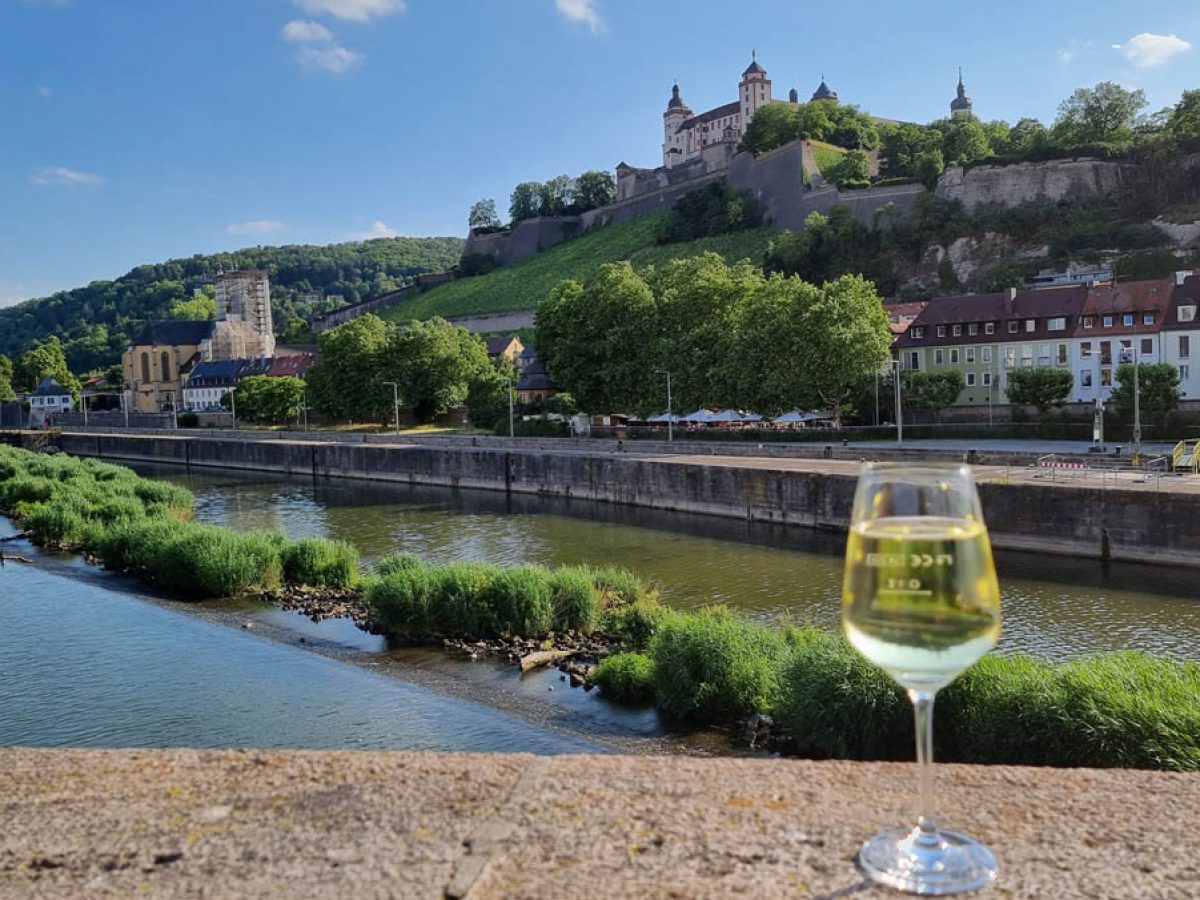
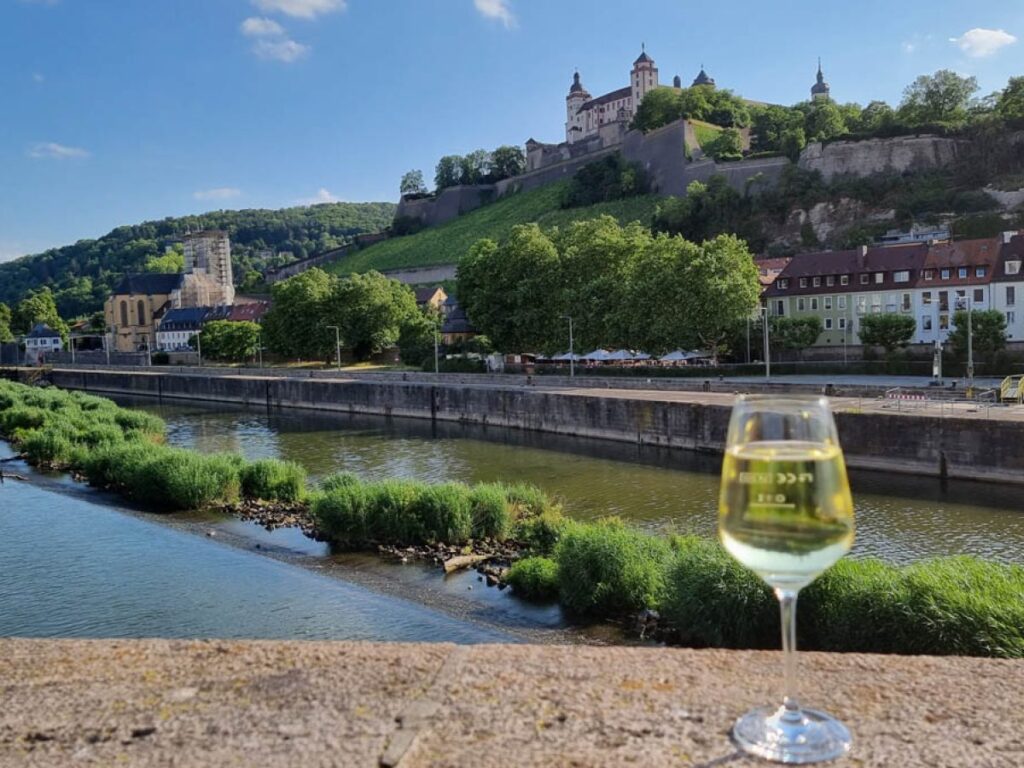
The Bridge is the city’s unofficial and most beloved “wine bar.” Locals gather here every evening when the weather is fine to enjoy a glass of local wine, a tradition known as Brückenschoppen.
- How it works: Wine stalls set up on the bridge sell wine (often in small, reusable glasses for a small deposit).
- Must-try: Sip a glass of Silvaner while taking in the iconic views of Marienberg Fortress and the surrounding vineyards—an essential Würzburg experience.
Wine Festivals and Day Trips
The wine calendar in Würzburg is vibrant and centered around the warm months.
| Festival | Timeframe | Location | Highlight |
| Würzburger Weindorf (Wine Village) | Late May – Early June | Market Square | Large, central event with dozens of regional wines and food. |
| Hofschoppenfest (Bürgerspital) | June | Bürgerspital Courtyard | Traditional, highly atmospheric festival in the historic winery courtyard. |
| Wein am Stein | July | Weingut am Stein (Vineyard) | Modern festival with a focus on organic wines and spectacular views. |
Day Trip Tip: The Main Loop (Mainschleife)
For a deeper dive into the region, take a trip along the Main River to the scenic Mainschleife (Main River Loop), visiting charming villages like Volkach and Iphofen, which are nestled directly in the vineyards and offer smaller, family-run wineries (Winzer).
Final Thoughts
Würzburg’s wine culture is deeply integrated into the fabric of the city. You can stand in the middle of a medieval cellar, then walk five minutes to a contemporary wine bar, and finish the day enjoying a legendary Silvaner on an ancient bridge. It’s a complete sensory experience that defines the Franconian way of life.
Whether you book a formal tasting at a historic estate or simply buy a Schoppen on the Alte Mainbrücke, your time in Würzburg will be perfectly complemented by its incredible wines.
